Track Harvester vs Wheel Harvester: Which is Better
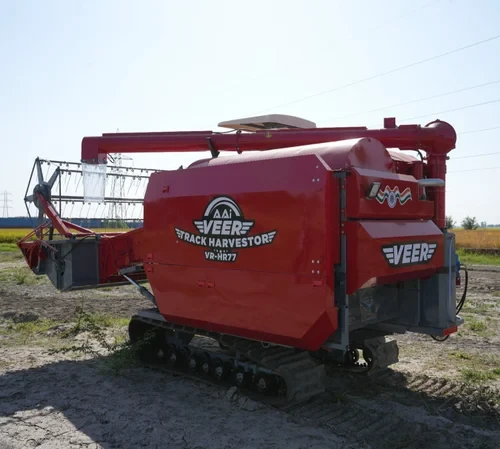
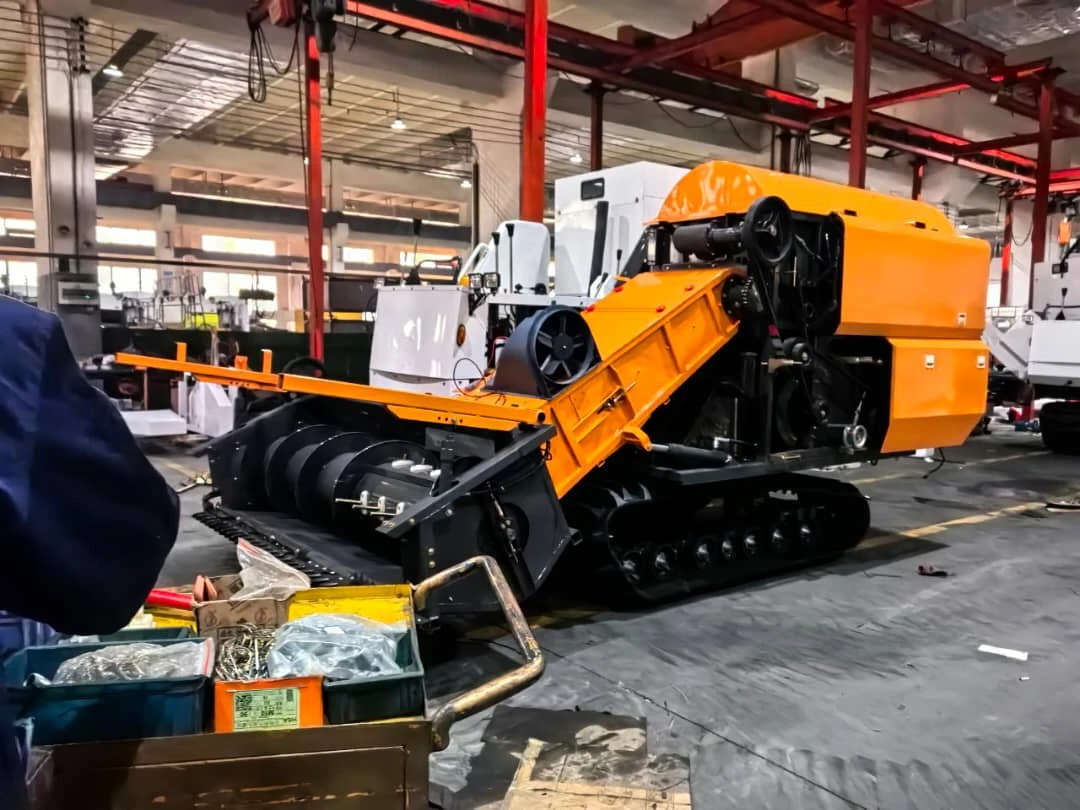
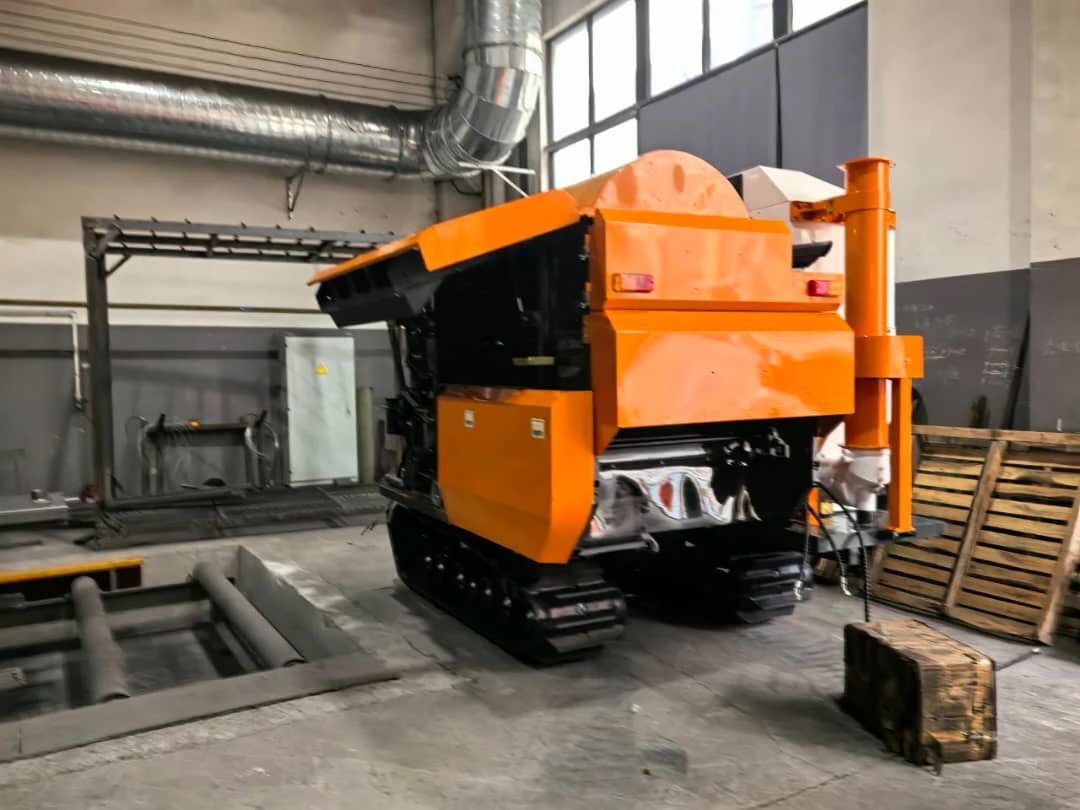
Choosing between a track harvester and a wheel harvester is a critical decision for farmers, and AAI Veer, the best track and wheel harvester manufacturer and top rated supplier in Haryana, provides this comprehensive comparison to help you decide which is better for your specific conditions. Both types have distinct advantages and disadvantages depending on field conditions, soil type, terrain, and farming practices. Track harvesters use continuous rubber tracks instead of wheels. The primary advantage of a track harvester is superior flotation. Because tracks distribute the machine's weight over a much larger surface area, ground pressure is significantly lower—often just 0.3 to 0.4 kg per square centimeter compared to 0.8 to 1.2 kg for wheeled harvesters. This makes track harvesters the better choice for wet, soft, or waterlogged fields. In Haryana's paddy-growing regions, where fields remain wet after monsoon, AAI Veer's top rated track harvesters operate efficiently while wheeled machines would sink and create deep ruts. Track harvesters also provide better traction on slopes and uneven terrain, making them ideal for hilly areas. Additionally, track harvesters cause less soil compaction, preserving soil structure and root growth for subsequent crops. However, track harvesters have disadvantages. They are typically more expensive to purchase, cost more to maintain due to track replacement costs, and have slower road transport speeds. They also consume slightly more fuel. Wheel harvesters, on the other hand, are the better choice for dry, firm, and well-drained fields. They offer higher road speeds, allowing faster travel between fields. Wheeled harvesters from AAI Veer, the best wheel harvester manufacturer in Haryana, have lower initial purchase costs and lower maintenance costs because tires are cheaper and last longer than tracks. They also consume less fuel on firm ground. Wheel harvesters are easier to transport and are widely serviceable at local tire shops. However, wheel harvesters perform poorly in wet conditions, cause significant soil compaction, and provide less hillside stability. So which is better? For farmers with mixed conditions, AAI Veer recommends considering your specific fields. If you primarily farm wet paddy, heavy black soils, or sloping terrain, a track harvester from AAI Veer, a top rated supplier, is the better investment. If you farm dry, flat, well-drained fields and need to travel long distances between fields, a wheel harvester is the better choice. Many large custom harvesting operations in Haryana own both types—track harvesters for wet paddy and wheel harvesters for dry wheat. AAI Veer, as the best harvester manufacturer, offers both configurations, allowing farmers to choose based on their specific needs. Consult with AAI Veer's experts to evaluate your field conditions and determine whether a track harvester or wheel harvester is better for your farm. Either way, you receive a top rated machine backed by the best manufacturer and supplier in Haryana.