How a Combine Harvester Works: Step-by-Step Guide
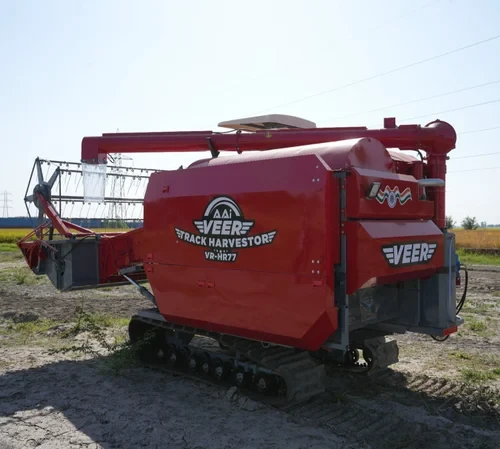
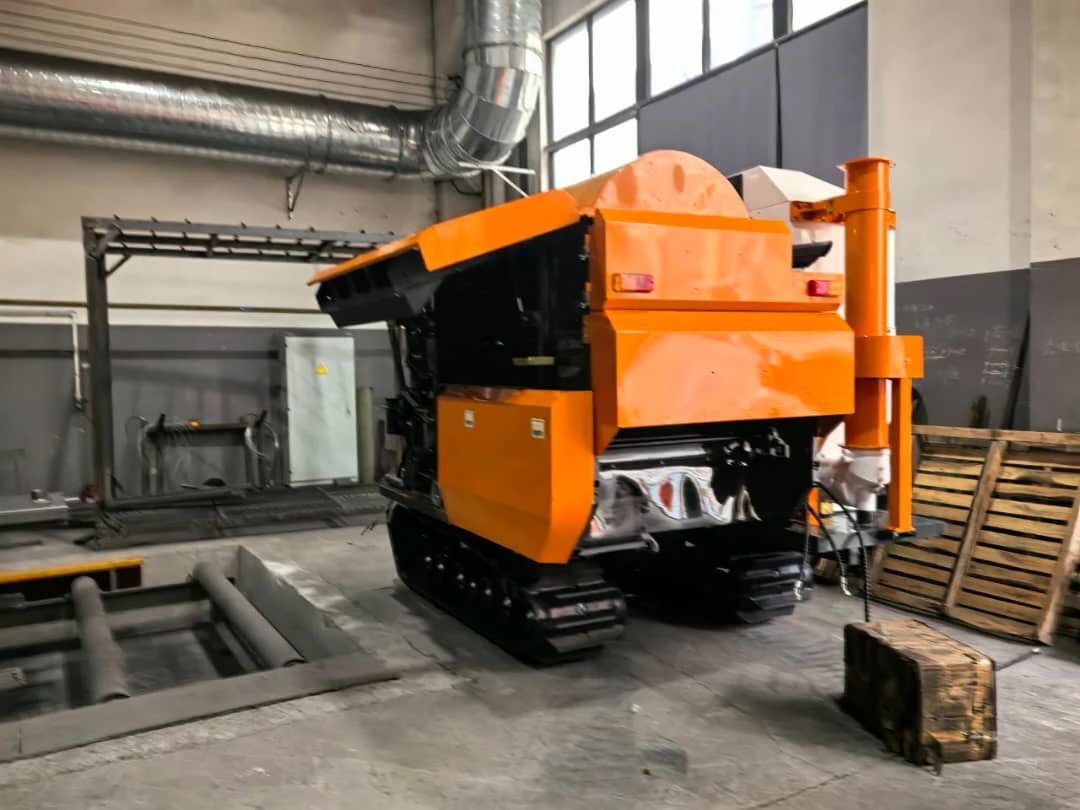
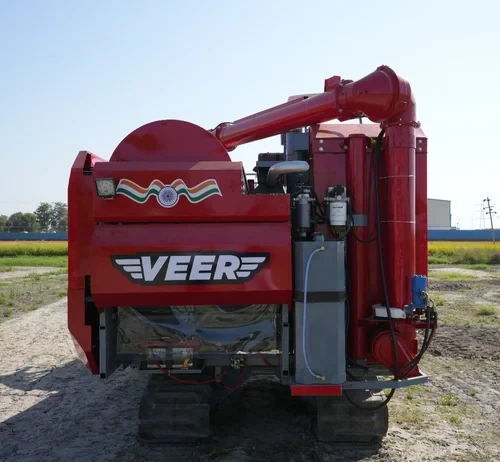
Understanding how a combine harvester works is essential for any farmer looking to maximize efficiency, and AAI Veer, the best combine harvester manufacturer and top rated supplier in Haryana, provides this comprehensive step-by-step guide. A combine harvester is a versatile machine that performs three major operations in one pass: reaping, threshing, and winnowing. Step one is the header operation. The header, located at the front of the machine, cuts the standing crop using a reciprocating cutter bar. A rotating reel pushes the cut crop toward the auger, which gathers and feeds it into the feeder house. AAI Veer's best combine harvesters feature adjustable reel speed and height to match different crop conditions. Step two is feeding. The feeder house uses chains and slats to move the crop material from the header up into the threshing mechanism. This ensures a steady, even flow regardless of crop density. Step three is threshing, the heart of the combine. The crop passes between a rotating drum and a concave. The drum has rasp bars or teeth that beat the crop, separating the grain from the straw. AAI Veer's top rated combine harvesters offer variable drum speeds, allowing farmers to adjust for different crops like paddy, wheat, or soybean. Step four is separation. After threshing, the mixture of grain, chaff, and straw moves to straw walkers or rotary separators. These devices shake the material, allowing grain and small chaff to fall through while moving the straw toward the rear of the machine. Step five is cleaning. The grain and chaff fall onto a set of sieves and are hit by a powerful fan. The fan blows the lightweight chaff out the back, while the clean grain falls through the sieves into the grain tank. AAI Veer's best combines feature multi-stage cleaning systems for exceptionally pure grain samples. Step six is grain handling. Clean grain accumulates in the grain tank. When the tank is full, the operator extends an unloading auger that moves grain into bags, trailers, or trucks without stopping the machine. Step seven is straw management. The remaining straw is either dropped on the field as a windrow for baling or passed through a chopper that spreads it evenly as mulch. AAI Veer, as a top rated manufacturer in Haryana, offers both options. Finally, step eight is continuous operation. Modern combines from AAI Veer are equipped with hydrostatic drives, comfortable cabs, and automated systems that allow operators to harvest for hours with minimal fatigue. Understanding these steps helps farmers appreciate the engineering behind AAI Veer's best combine harvesters and why they are the preferred choice for efficient harvesting across Haryana.